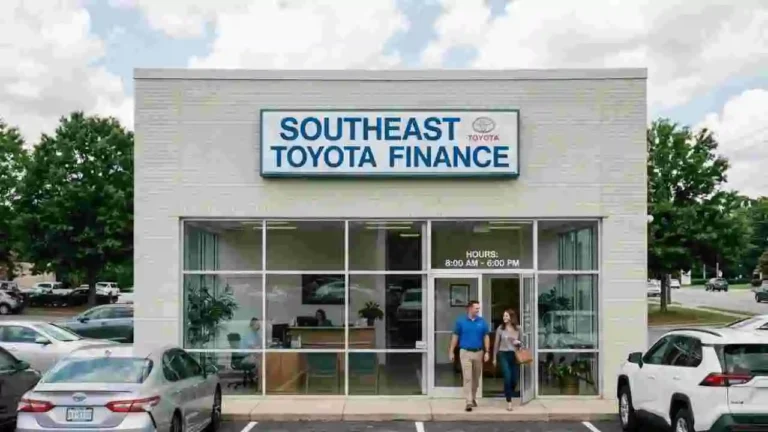
what does it mean to finance a car
I still remember sitting in my first dealership at 22, staring at a stack of paperwork that might as well have been written in ancient Greek.
The salesperson kept talking about “financing options” and “APR,” and I just nodded along, pretending I understood. Looking back, I wish someone had explained what financing a car actually meant before I walked through those doors.
If you’re asking what it means to finance a car, you’re already ahead of where I was. This guide will walk you through everything you need to know about car financing in plain English, without the confusing jargon that makes your eyes glaze over.
What Does It Mean to Finance a Car? The Simple Answer
Let me break this down in the simplest way possible.
When you finance a car, you’re borrowing money from a lender to buy a vehicle. Instead of paying the entire purchase price upfront in cash, you make a down payment (usually between 10% and 20% of the car’s price) and borrow the rest. You then repay that borrowed amount in monthly instalments over a set period, typically anywhere from 24 to 84 months.
Think of it like a mortgage for your house, but for your car. The bank or lender pays the dealership the full amount, you drive away in your new car, and you pay the lender back over time, plus interest for the privilege of borrowing their money.
Real Example of Car Financing
Say you want to buy a car that costs $28,000. You put down $3,000 as a down payment. That means you need to finance $25,000. If you get a 660-month loan (that’s five years) at 7% interest, your monthly payment would be around $495.
Over those five years, you’d end up paying about $29,700 total, meaning you paid $4,700 in interest.
How Does Car Financing Work? Step by Step
The auto loan process might seem complicated, but it follows a straightforward pattern once you understand the steps.
Step 1: Apply for a Car Loan
You can apply for financing through the dealership, your bank, a credit union, or an online lender. They’ll look at your credit score, income, employment history, and how much debt you already have. This helps them decide if you’re a good risk and what interest rate to offer you.
Step 2: Get Approved and Review Your Rate
If approved, the lender tells you how much they’re willing to loan you and at what interest rate. This is where your credit score really matters.
When I bought my second car with a much better credit score than my first, my interest rate dropped from 12% to 4.5%. That difference saved me thousands of dollars.
Step 3: Make Your Down Payment
Most lenders want to see some skin in the game. Your down payment shows you’re serious and reduces their risk. The more you put down, the less you have to borrow, which means lower monthly car payments and less interest paid over time.
Step 4: Sign the Loan Agreement
This is where you agree to the loan terms. You’re promising to make your monthly payments on time for the length of the loan. The lender keeps the car’s title until you pay off the loan completely.
Step 5: Start Making Monthly Payments
Each month, you send your payment to the lender. Part of each payment goes toward the principal (the amount you borrowed), and part goes toward interest. Early in the loan, most of your payment goes to interest. As time goes on, more goes toward the principal.
Understanding Car Loan Terms (What They Really Mean)
Let me explain the key car loan terms you’ll hear when looking into vehicle financing.
Principal
This is the actual amount you’re borrowing. If the car costs $30,000 and you put down $5,000, your principal is $25,000.
Interest Rate and APR
The interest rate is what the lender charges you to borrow their money. APR (Annual Percentage Rate) includes the interest rate plus any fees. When comparing auto financing rates, always look at the APR, not just the interest rate.
Loan Term
This is how long you have to pay back the loan. Common terms are 36, 48, 60, or 72 months. Some lenders now offer 84-month terms, but I generally advise against loans that long.
The longer your loan, the more interest you pay and the more likely you are to end up owing more than the car is worth.
Monthly Payment
This is the amount you pay each month. It’s calculated based on your principal, interest rate, and loan term. Many people focus only on the monthly payment, but that’s a mistake. A lower monthly payment often means a longer loan term and more interest paid overall.
Down Payment
The upfront cash you put toward the car. A larger down payment means borrowing less, which means lower monthly payments and less interest.
Car Financing Options: Where to Get an Auto Loan
You have several paths when it comes to car financing options, and each has its pros and cons.
Dealership Financing
This is convenient because you can shop for a car and get financing in one place. Dealerships work with multiple lenders, so they can sometimes find you a good rate even with less-than-perfect credit.
However, they sometimes mark up the interest rate to make a profit. When I bought my last car, the dealer initially offered me 6.5% interest. I mentioned I’d been pre-approved at my credit union for 4.9%, and suddenly they “found” a 4.8% rate.
Bank Auto Loans
Your regular bank might offer auto loans. The rates are often competitive, especially if you have a good relationship with them. The downside is that they can be pickier about who they approve.
Credit Union Loans (Often the Best Rates)
Credit unions typically offer the best rates because they’re not for-profit institutions. I’ve always gotten my best rates from credit unions. If you’re not a member of one, it’s often worth joining just for the car loan savings.
Online Lenders
Companies like Capital One Auto Navigator and LendingTree let you compare rates from multiple lenders online. This is great for seeing what you qualify for before you even step into a dealership.
New Car Financing vs Used Car Financing: What’s the Difference?
The financing process is similar whether you’re buying new or used, but there are important differences.
New Car Financing
New car financing typically comes with lower interest rates because new cars are less risky for lenders. They’re worth more, they’re more reliable, and they come with warranties.
When I financed a new car, I got a 3.9% rate. A year later, when I helped my brother finance a used car, his rate was 6.5% even though his credit was actually better than mine had been.
Used Car Loan Financing
Used car loan financing often has higher rates, but you’re also borrowing less money because used cars cost less. The car’s age matters too. Many lenders won’t finance cars over 10 years old, or they’ll charge much higher rates if they do.
The sweet spot for used car financing is usually vehicles between 2 and 4 years old. They’ve already taken their biggest depreciation hit, but they’re still new enough to get decent financing rates.
Is Financing a Car a Good Idea? When It Makes Sense
This depends entirely on your situation, and I’ve seen it work out great for some people and terribly for others.
When Financing Makes Sense
Financing makes sense when you need a reliable car but don’t have the full purchase price saved up. It also makes sense if you can get a low interest rate and you’re disciplined about making payments on time.
I financed my first car because I needed it to get to work. Without that job, I couldn’t save money. It was the right call, even though the interest rate wasn’t great.
When to Avoid Financing
Financing might not be the best choice if the monthly payments stretch your budget too thin. A good rule of thumb is that all your vehicle expenses (payment, insurance, gas, maintenance) shouldn’t exceed 20% of your take-home pay.
The Smart Money Move
Here’s something most people don’t think about: the opportunity cost. If you have $25,000 in cash, you could buy a car outright. But if you can get a 4% car loan and invest that $25,000 in the stock market, where it might earn 8% on average, you come out ahead by financing.
Of course, this only works if you’re actually disciplined enough to invest that money instead of spending it.
What Credit Score Is Needed to Finance a Car?
Lenders categorise borrowers into tiers based on credit scores, and your tier dramatically affects your interest rate.
Excellent credit (740+): Best rates, often below 5% for new cars
Good credit (700 to 739): Competitive rates, usually 5% to 7%
Fair credit (650 to 699): Higher rates, typically 7% to 12%
Poor credit (below 650): Rates of 12% to 20% or higher, if approved at all
Can You Get a Car Loan With Bad Credit?
Yes, but you’ll pay dearly for it. My cousin financed a $15,000 car with a 580 credit score and got stuck with an 18% interest rate. His monthly payment was $385, and over five years, he paid $23,100 total. That’s $8,100 in interest alone.
If your credit isn’t great, consider waiting a few months to improve it before applying. Paying down credit cards, making all your payments on time, and fixing any errors on your credit report can bump your score up enough to qualify for a much better rate.
How Much Down Payment Is Needed for a Car Loan?
Technically, some lenders will finance a car with zero down, especially for new cars. But just because you can doesn’t mean you should.
Recommended Down Payment Amounts
I recommend putting down at least 20% for a used car and at least 10% for a new car.
Here’s why: cars depreciate the moment you drive them off the lot. If you finance the entire purchase price, you’ll immediately owe more than the car is worth. This is called being “underwater” or “upside down” on your loan.
Why Down Payments Matter
Being underwater becomes a real problem if you need to sell the car or if it gets totalled in an accident. If you owe $22,000 but the car is only worth $18,000, you have to come up with that $4,000 difference somehow.
A larger down payment also means lower monthly payments and less interest paid over the life of the loan. When I put down 25% on my current car instead of the 10% I’d originally planned, it dropped my monthly payment by $80 and saved me about $1,400 in interest.
How Long Can You Finance a Car? Loan Term Guide
Auto loans now stretch anywhere from 24 months to 84 months, with some lenders even offering 96-month terms for certain vehicles.
Most Common Loan Terms
The most common loan terms are 60 months (5 years) and 72 months (6 years). These have become the standard because they balance manageable monthly payments with reasonable total interest costs.
The Problem With Long Loan Terms
Longer loans mean lower monthly payments, which sounds attractive. But they also mean much more interest paid and a higher chance of being underwater on the loan.
I’ve seen people with 84-month loans who, four years in, still owe significantly more than their car is worth.
My Recommendation
Never finance a car for longer than you plan to keep it, and ideally keep your loan under 60 months. The exception might be if you’re financing a very reliable car at a very low interest rate and you’re disciplined about possibly paying it off early.
What Happens When You Finance a Vehicle?
Once you’ve signed the paperwork and driven off the lot, several things happen behind the scenes.
The Lender Owns Your Car (Until It’s Paid Off)
The lender places a lien on your car. This means they technically own it until you pay off the loan completely. You can drive it, you’re responsible for it, but you can’t sell it without paying off the loan first.
Insurance Requirements
You’re required to carry full coverage insurance. The lender mandates this to protect their investment. If you let your insurance lapse, they can force-place insurance on your vehicle, which is much more expensive than getting your own policy.
Your Monthly Payment Routine
You make monthly payments until the loan is paid off. Most lenders report your payments to the credit bureaus, so making on-time payments helps build your credit score. Missing payments hurts your credit and can eventually lead to repossession.
When You’re Finally Done
When you make your final payment, the lender sends you the title, and the car is fully yours. That’s a great feeling, by the way. I kept making my “car payment” to myself after my loan was paid off, and that became the down payment for my next vehicle.
Financing vs Leasing a Car: Key Differences
People often confuse these, but they’re completely different arrangements.
When You Finance
When you finance, you’re buying the car. You make payments, you build equity, and eventually you own it outright.
When You Lease
When you lease, you’re essentially renting the car for a set period, usually 2 to 4 years. At the end of the lease, you return the car.
Which Is Better?
Lease payments are typically lower than finance payments because you’re only paying for the car’s depreciation during your lease term, not the entire value. But you never own the car, you’re limited on how many miles you can drive each year, and you have to keep it in good condition or pay penalties.
I leased a car once, and while the low monthly payment was nice, I hated the mileage restrictions. I’m a road trip person, and constantly worrying about going over my miles took the fun out of driving. I’ve stuck with financing ever since.
Can You Trade In a Financed Car? Everything You Need to Know
This is where things get interesting, and I see a lot of confusion about this topic.
Yes, you can absolutely trade in a car you’re still financing. The dealership pays off your existing loan and either applies any equity you have toward your new car or rolls any negative equity into your new loan.
Can You Trade In a Financed Car After 6 Months?
Technically, yes, but it’s rarely a good financial move. After just six months, you’ve barely made a dent in your loan balance, and the car has depreciated significantly. You’ll almost certainly be underwater, meaning you owe more than the car is worth.
Can I Trade In a Financed Car After 2 Months?
Again, you can, but you’re setting yourself up for financial pain. Two months in, you’ve paid mostly interest, your principal is barely touched, and the car’s value has dropped. You’ll be rolling serious negative equity into a new loan.
I owe $20,000 on My Car. Can I Trade It In?
Whether this makes sense depends on what the car is worth. If it’s worth $22,000, you have $2,000 in equity to put toward your next vehicle. If it’s only worth $17,000, you’re $3,000 underwater, and that gets added to your new loan.
Can You Trade In a Financed Car for a Less Expensive Car?
You can, and sometimes this is the smart move if your current payment is too high. Just understand that if you’re underwater, you’ll be financing more than the new car’s value, which isn’t ideal but might be necessary if you’re struggling with payments.
Trading In a Financed Car for a More Expensive One
This is the most common scenario. If you have equity in your current car, that equity becomes your down payment on the more expensive vehicle. If you’re underwater, that negative equity gets rolled into your new loan, increasing your monthly payment and total amount financed.
Can You Trade In a Financed Car That Needs Repairs?
Yes, but the trade-in value will be lower because of the needed repairs. Sometimes this actually makes sense.
My neighbour owed $12,000 on a car that needed $3,000 in transmission work. The car was worth $11,000 in good condition,n but only $8,000 with the bad transmission. She traded it in, rolled the $4,000 negative equity into a new loan, and got a reliable car with a warranty. Not ideal financially, but better than putting $3,000 into a car she still owed money on.
Can You Trade In a Financed Car for a Motorcycle?
Absolutely. The process is the same. The motorcycle dealer pays off your car loan and factors any equity or negative equity into your motorcycle financing. Just make sure the numbers actually work because motorcycles depreciate quickly and typically have higher insurance costs.
Where Can I Trade In a Financed Car?
Any dealership that sells vehicles will accept trade-ins, regardless of whether you’re buying a car from them. You can also sell to CarMax, Carvana, or similar companies. These companies will pay off your loan as part of the transaction.
I actually got a better offer from CarMax than my dealer was offering, so I sold my car there and then went to the dealer to buy my new one. The dealer wasn’t thrilled, but I saved $1,200.
How to Qualify for Car Financing (Requirements Explained)
Getting a car loan approval isn’t as mysterious as it seems. Lenders look at a few key factors.
What Lenders Look At
Your credit score is the biggest factor. Higher scores mean better rates and easier approval.
Your income matters because lenders want to see that you can afford the payments. They typically use your debt-to-income ratio, which is all your monthly debt payments divided by your gross monthly income. Most lenders want this below 40%, with 35% or lower being ideal.
Your employment history shows stability. Frequent job changes can be a red flag, while steady employment helps your application.
The size of your down payment demonstrates your commitment and reduces the lender’s risk.
How to Improve Your Approval Chances
Check your credit report for errors and dispute any you find. Pay down existing debt to lower your debt-to-income ratio. Save up a larger down payment. Consider a cosigner if your credit is weak, though make sure both you and the cosigner understand the responsibility.
5 Costly Mistakes to Avoid When Financing a Car
I’ve made some of these mistakes myself, and I’ve watched friends make others.
Mistake 1: Focusing Only on Monthly Payments
Dealers love to ask “what payment are you looking for” because they can get you that payment by extending the loan term, even if it means you pay thousands more in interest.
Mistake 2: Skipping Pre-Approval
Getting pre-approved from your bank or credit union before you shop gives you negotiating power and helps you know your budget. When I walked into the dealership pre-approved, the salesperson’s whole demeanour changed. They knew I was serious and informed.
Mistake 3: Borrowing More Than You Need
Being approved for $40,000 doesn’t mean you should spend $40,000. I got approved for way more than I ultimately borrowed, and I’m glad I showed restraint.
Mistake 4: Ignoring Total Cost of Ownership
Your monthly payment is just part of the picture. Factor in insurance (which can be expensive on financed cars because you need full coverage), gas, maintenance, and repairs.
Mistake 5: Letting the Dealer Rush You
Signing those papers is a big commitment. If you feel pressured or confused, it’s okay to walk away and come back another day. I once told a pushy salesman I needed to sleep on it. He said the deal wouldn’t be available tomorrow. I came back two days later, and to my surprise, the same deal was still available.
Final Thoughts: Is Car Financing Right for You?
Understanding what it means to finance a car puts you in control of one of the biggest purchases most people make.
The right financing can help you get a reliable vehicle that improves your life, gets you to work, and builds your credit. The wrong financing can saddle you with payments you can’t afford and trap you in a cycle of negative equity and high interest.
Before You Sign
Take your time. Compare car financing options from multiple lenders. Understand every term in your loan agreement before you sign. Focus on the total amount you’ll pay, not just the monthly payment.
And remember, financing is a tool. Like any tool, it works great when used properly and can cause damage when misused. Now that you understand how it works, you can use it to your advantage.
The peace of mind that comes from making an informed decision is worth more than any car payment you’ll ever make.
Links:- short term disability maternity leave insurance: What It Pays & How to Get Covered
About the Author