
The process of developing real estate may appear easy from the outside; however, behind each successful venture is a precise step-by-step method.
Whether it’s a modest home, a commercial complex, or a mixed-use development, developers follow a plan to lower risks and maximise profits.
If you are thinking, “What are the 4 stages of real estate development in 2026?”, this guide is for you.
In this post, we will thoroughly explain each step, provide actual examples, and offer practical information to help beginners understand how real estate development actually works.
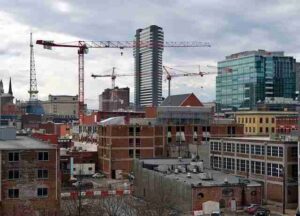
What Is Real Estate Development?
Real estate development refers to the process of turning an existing land parcel into an asset that is more valuable. It could involve building new offices, shops, or remodelling older homes.
By 2024, real property development will be more controlled and data-driven than ever before, but the four fundamental stages remain the same.
Overview: The 4 Stages of Real Estate Development
Before we go deep, here’s a quick overview:
- Stage 1: Idea and Feasibility (Pre-Development)
- Stage 2: Planning and Design
- Stage 3: Construction
- Stage 4: Marketing, Sales, and Operations
Each step plays an essential function in determining if the project is successful or not.
Stage 1: Idea and Feasibility Analysis
This forms the basis of the whole construction procedure.
What Happens in This Stage?
This is when the developer determines if there is a need and decides if the venture is financially viable.
- Identifying land or property.
- Demand analysis and market research.
- Cost estimation.
- Risk assessment.
Why This Stage Is Important:
A lot of real estate ventures don’t succeed because the developer doesn’t conduct feasibility assessments. In 2024, investors will focus on data and local market trends.
Example: A developer notices a growing need for low-cost homes near a Metro station. After analysing the rental demand and construction costs, they decided the project is viable.
Stage 2: Pre-Development and Planning
After the plan has been approved, the project will start the planning phase.
What Happens in Pre-Development?
The ultimate stage involves making an idea an approved, legal, and executed plan.
- Acquisition of land.
- Zoning approvals and permits.
- Architectural design and layout.
- Financing and construction loans.
Challenges in This Stage:
Regulations are stricter. If delays occur with funding or permits, this could affect the timeline and budget significantly.
Example: The developer hires an architect to design a 40-unit apartment complex. They apply for permits, secure a bank loan, and sign legal paperwork before construction begins.
Stage 3: Construction and Development
It is possibly the most visible step when it comes to developing real property.
What Happens During Construction?
The next step is actually building the structure.
- Hiring contractors and labour.
- Site preparation and groundwork.
- Structural construction.
- Utilities and interior finishing.
- Quality checks and safety inspections.
Why Cost Control Matters:
Cost overruns are the most common risks. Successful developers use project management tools to stay within budget.
Example: Construction begins and continues for about 18 months. The developer monitors progress, controls costs, and ensures quality standards are met.
Stage 4: Marketing, Sales, and Operations
The final step decides if the business will recoup its investment.
What Happens in This Stage?
Once construction is completed, the focus shifts towards leasing, selling, or managing the property.
- Marketing and advertising.
- Pricing strategies.
- Lease or sales contracts.
- Property management and maintenance.
Long-Term Value Matters:
In 2024, tenants look for sustainable, green, and convenient options more than ever before.
Example: The properties are advertised online and offline. Units are sold to buyers or rented to tenants, generating income.

Common Mistakes in Real Estate Development
Many novices make costly errors. Avoid these:
- Ignoring feasibility studies.
- Underestimating costs.
- Poor location selection.
- Weak marketing strategy.
- Lack of knowledge and experience.
Real Estate Development Trends in 2026
Understanding current trends helps developers stay competitive.
- Smart and Sustainable Construction: Green buildings are in demand.
- Mixed-Use Developments: Combining residential and commercial spaces.
- Data-Driven Site Selection: Using AI to find the best locations.
- Affordable Housing: High demand for budget-friendly homes.
Conclusion
Becoming aware of the 4 stages of real estate development gives you a roadmap to success. From the initial concept to planning, construction, and sales, each phase is vital.
If you plan to invest in real estate, consider every step carefully. An effective plan, a solid budget, and market knowledge can turn a simple idea into a lucrative investment.
If this guide helped you, please share it or leave a comment below!
Frequently Asked Questions (FAQ)
1. What are the four phases of real estate development?
The four phases are Idea and Feasibility, Pre-Development Planning, Construction, and Marketing/Operations.
2. What is the riskiest stage?
The Feasibility and Planning phase carries the most risk because inaccurate assumptions can ruin the entire project.
3. How long does a project take?
Depending on size and permits, a project can take anywhere from 1 to 5 years.
4. Can beginners invest in development?
Yes, beginners can start by partnering with experienced developers or investing in small projects.
5. Is real estate development profitable in 2026?
Yes, with the right research and strategy, property development remains highly profitable
Links:-