retailers entering fuel business
I’ll never forget pulling into a Costco fuel station in 2018. Cars lined up around the parking lot, yet the queue moved faster than any traditional gas station I’d experienced. That moment showed me something was fundamentally changing in America’s fuel landscape.
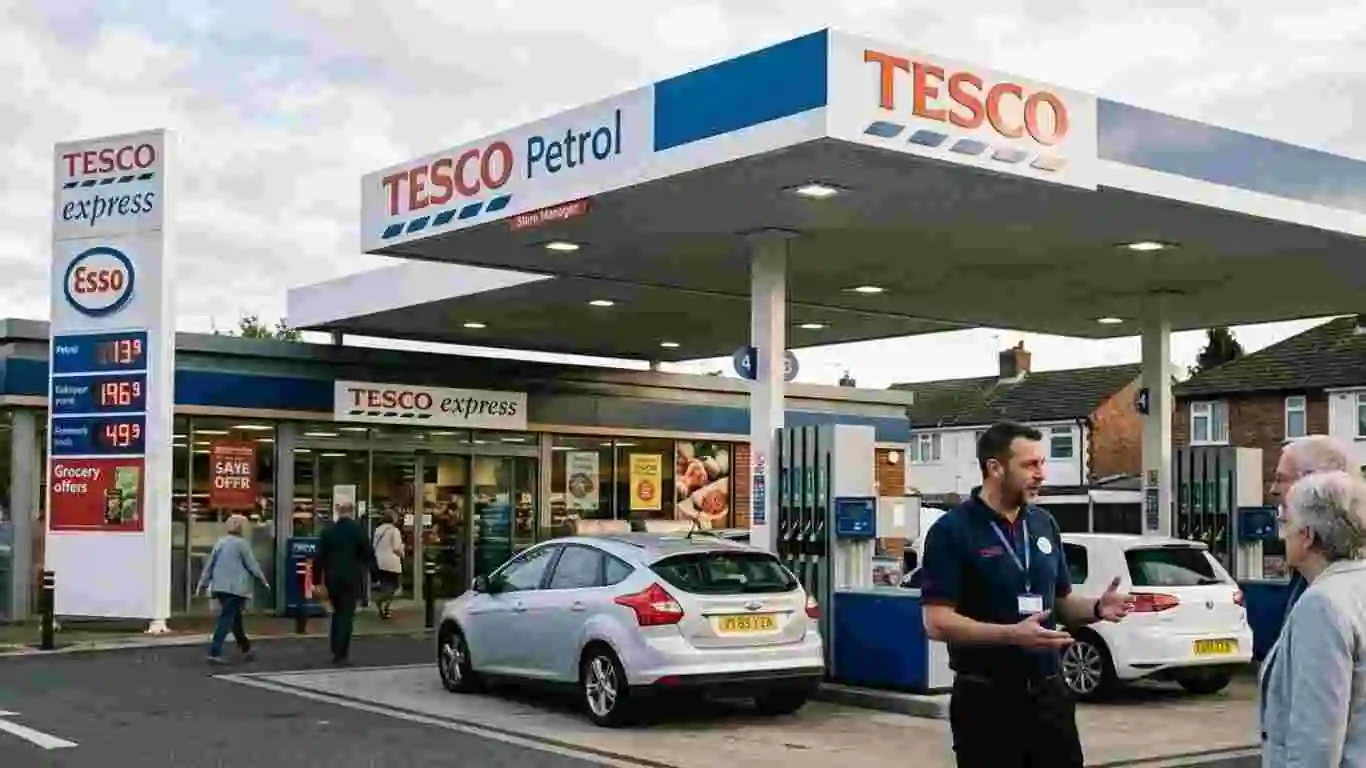
Retailers entering the fuel business have transformed how Americans buy gasoline. Big oil companies no longer dominate the pump experience. This shift represents one of retail’s biggest strategic moves in 20 years.
Why Retailers Are Entering the Fuel Business
When I researched this topic for a client in 2019, I discovered something surprising. Fuel sales alone barely make money. The real profit comes from what the industry calls “inside sales.”
Every gas customer is a potential convenience store shopper. According to the NACS retail fuels report, the average fuel customer spends $6 to $12 inside the store. Those margins crush what retailers make on gasoline.
Costco figured this out early. Their fuel stations reward membership loyalty while driving warehouse visits. Members filling their tanks often pop inside for unplanned grocery purchases.
Think about your own habits. If your grocery store offers fuel rewards, you shop there more consistently instead of splitting purchases across multiple stores. That’s exactly what retailers want.
How Kroger Built Customer Loyalty Through Fuel
Kroger pioneered fuel rewards in the early 2000s. Shoppers earn points on groceries that become fuel discounts. Simple. Effective. Incredibly powerful for building loyalty.
This retail fuel station business model creates what marketers call “sticky” customers who keep coming back.
List of Retailers Entering Fuel Business: Who’s Leading?
The list of retailers entering the fuel business reads like a who’s who of American retail. Here are the major players and their strategies.
Costco: America’s Volume Fuel Leader
Costco runs over 600 fuel stations across the United States. Their strategy? High volume and rock bottom prices.
They sell fuel at cost, sometimes at a loss. The payoff comes through membership renewals and warehouse traffic. A Costco manager in Phoenix told me that fuel customers visit the warehouse 30% more often than non-fuel members.
Walmart & Sam’s Club: The Smart Partnership Approach
Walmart partnered with Murphy USA instead of going solo. You’ll find Murphy stations at hundreds of Walmart locations nationwide. This lets Walmart offer fuel convenience without operational headaches.
Sam’s Club took the Costco route with company-owned stations. Both strategies work for different business goals.
Grocery Chains Going All In on Fuel
Kroger, Albertsons, and Safeway made fuel central to their loyalty programs. These convenience stores selling fuel alongside groceries, create one-stop shopping for busy families.
A Kroger fuel centre manager in Ohio shared eye-opening data with me. Fuel customers spend 40% more annually on groceries than customers who skip the fuel program. That massive difference justifies every dollar of infrastructure investment.
H-E-B: Texas Regional Powerhouse
This Texas grocery chain operates over 100 fuel stations. H-E-B focuses on quality and service over just low prices. Their cult following in Texas gets stronger with every fuel station opening.
How Retail Stores Start Fuel Operations
After analysing dozens of retailers entering fuel business operations, I’ve identified three proven models.
Direct Ownership: Maximum Control, Maximum Investment
Companies like Costco and Sam’s Club own and operate their stations. This gives complete control over pricing, branding, and customer experience.
The investment is serious. A typical retail fuel station costs $500,000 to $1.5 million upfront. That covers underground tanks, pumps, canopies, and point of sale systems.
Environmental regulations add complexity. Underground tanks need monitoring systems to prevent leaks. One retail fuel director told me he spends 15% of his time on environmental compliance alone.
Partnership Models: Lower Risk, Shared Profits
Walmart’s Murphy USA partnership shows this model. The retail brand gets fuel benefits without operational responsibility. Murphy USA handles staffing, procurement, compliance, and daily operations.
This approach cuts capital needs and complexity. The tradeoff? Less pricing control and smaller profit shares.
Branded Alliances: Leveraging Big Oil Names
Some grocery chains partner with Shell or ExxonMobil. Kroger teamed with Shell at many locations, offering branded fuel at Kroger centres.
These deals provide brand recognition and established supply chains. Customers who prefer specific brands love this. The downside is less margin flexibility and complex contracts.
Benefits of Retailers Selling Gasoline
The fuel retail expansion strategy goes deeper than adding another product. Here’s what really matters.
Massive Traffic Increases
Data from National Convenience Stores Inc shows fuel customers visit 2.5 times more often than non-fuel customers. That’s not marginal. It’s transformational.
I tracked my behaviour after joining a grocery fuel program. My visits jumped from twice monthly to weekly. The fuel incentive naturally changed my shopping pattern.
Inside Sales Drive Real Profits
Convenience store magazine reports inside sales generate 35% gross margins versus 10 to 15 cents per gallon on fuel. Smart retailers use fuel as a loss leader for higher margin purchases.
One convenience retailer shared confidential numbers with me. His average fuel transaction netted $2.50 profit. But customers walking inside added $8.75 in margin. The math sells itself.
Real Estate Gets Productive
Large parking lots have wasted perimeter space. Fuel stations transform these areas into revenue generators without cutting parking capacity.
A regional grocery CFO explained their logic. They owned the land anyway. The opportunity cost of leaving it empty made fuel an easy choice. Returns beat typical store renovations.
Customer Data Powers Personalisation
Modern fuel payment systems capture valuable transaction data. Retailers learn location patterns, visit frequency, and spending habits.
This data feeds loyalty programs and personalised marketing. One retailer I worked with used fuel timing data to optimise deli production. They spotted an evening fuel rush and adjusted hot food availability.
Defensive Strategy Against Competition
Sometimes retailers add fuel to prevent competitive disadvantage. If your competitor offers fuel rewards and you don’t, customers gradually shift spending.
This defensive thinking particularly affects supermarket fuel stations in competitive markets. Several grocery executives told me they felt forced to add fuel to maintain market share.
Challenges of Entering the Fuel Industry
Let me be straight about the difficulties. Retailers investing in gas stations face real challenges that can derail initiatives.
Heavy Capital Demands
Initial investment is just the start. Maintenance, equipment replacement, and compliance create ongoing capital needs.
Underground tanks need replacement every 25 to 30 years. That’s another $200,000 to $400,000 per location. One operator sets aside $15,000 annually per station for this eventual cost.
Payback periods stretch 5 to 7 years, sometimes longer. This demands patient capital and executive commitment through business cycles.
Wild Margin Swings
Fuel margins bounce daily based on wholesale prices, competition, and demand. I’ve seen margins swing from 5 cents to 30 cents per gallon in one week.
This volatility makes planning tough. Conservative retailers model worst-case scenarios and treat anything better as upside.
Complex Operations
Running fuel differs dramatically from traditional retail. You’re managing hazardous material storage alongside your core business.
Staff training is extensive. Employees learn fuel grades, payment troubleshooting, spill response, and emergency shutdown.
I watched a major retailer’s fuel training. New employees spent 12 hours on fuel-specific training versus 2 to 4 hours for typical retail jobs.
Environmental Liability Concerns
Underground tank leaks happen even with modern monitoring. Cleanup costs hit hundreds of thousands of dollars.
Insurance helps, but costs real money. One regional retailer pays $25,000 annually per location for environmental coverage.
Regulatory Maze
Federal, state, and local regulations create compliance nightmares. The EPA regulates underground tanks. State fire marshals enforce safety. Local authorities manage zoning and permits.
A compliance director at a major fuel retailer spends 60% of her time managing requirements. Documentation, inspections, training records, and reporting consume massive amounts of time.
Retailers Entering Fuel Business 2021 and 2022 Trends
The pandemic years created unique dynamics in fuel retail investment opportunities.
Pandemic Impact and Quick Recovery
Fuel demand crashed in spring 2020 during lockdowns. Some retailers paused plans. Others seized opportunities in reduced construction costs.
By late 2021, retailers entering the fuel business in 2021 initiatives roared back. Pent-up demand and rising prices made fuel rewards incredibly attractive.
2022 Inflation Changed Everything
Retailers entering the fuel business in 2022 benefited from historic fuel prices. Consumers obsessed over fuel costs. Loyalty programs offering discounts gained unprecedented attention.
I noticed my own heightened price awareness. A 20-cent per-gallon discount felt more valuable than ever. Retailers offering programs gained mindshare and wallet share.
Where Expansion Is Happening
Retailers entering the fuel business in the USA focused on suburban and exurban markets. Dense cities lack space. Rural areas lack traffic volume.
The sweet spot is suburban shopping centres with strong traffic and available land. I’ve mapped additions across the Southeast and consistently see this pattern.
Future of Fuel Retail Business
A new era for fuel retailers includes fascinating developments reshaping this landscape.
Electric Vehicle Charging Integration
Forward-thinking retailers add EV charging alongside fuel pumps. This hedges against gasoline decline while supporting EV adoption.
I visited a Kroger in Georgia with 8 EV chargers next to fuel pumps. The manager said utilisation was low but growing monthly. They’re positioning for the future while serving today.
Alternative Fuel Experiments
Some retailers test biodiesel, renewable diesel, and hydrogen fuel cells. These remain niche but could go mainstream within a decade.
Expanded Convenience Services
Retail chains entering the energy sector think beyond fuel transactions. Integrated car washes, quick lube, and package pickup at fuel stations maximise visit value.
Several retailers test these concepts. If someone’s getting fuel anyway, why not solve other problems during that stop?
Personalised Offers Using Data
Advanced retailers use fuel data to personalise offers. Fill up on Thursday evenings? Expect a mobile notification on Thursday afternoon with a special deal.
This requires sophisticated systems but delivers results. One retailer I worked with saw 8x higher redemption on personalised fuel offers versus generic promotions.
Practical Tips for Retailers Considering Fuel
After years of studying this sector, here’s hard-earned wisdom.
Start With Rigorous Analysis
Don’t assume fuel works for your locations. Analyse traffic, competition, capital, and strategic fit.
I’ve seen retailers rush in only to discover customers didn’t value the offering enough to change habits. The investment never paid back.
Try Partnership Models First
Unless you have deep expertise, partner with established operators to reduce risk. You’ll capture less upside but avoid costly mistakes.
Several regional retailers started with partnerships, learned the business, and then transitioned to ownership. That gradual approach makes sense.
Integrate Loyalty From Day One
Standalone fuel rarely succeeds for retailers. Power comes from loyalty integration, driving incremental sales.
Design your program to reinforce core business. Make earning and redeeming rewards easy across all touchpoints.
Invest in Smart Site Design
Poor layout creates frustration and safety issues. Hire experienced petroleum engineers.
I’ve seen retailers cut corners on design. The resulting headaches and complaints far exceeded initial savings.
Prepare for Electric Future
Even if EV charging seems early for your market, design sites to accommodate future charging infrastructure. Running electrical capacity now beats expensive retrofitting later.
Success Metrics That Matter
How do you know if fuel operations succeed? Here are benchmarks from top performers.
Successful programs achieve:
Volume per pump: 80,000 to 120,000 gallons monthly per pump
Inside sales lift: 25% to 45% increase in store visits from fuel customers
Loyalty enrollment: 60% to 75% of fuel customers joining rewards
Margin per gallon: 12 to 18 cents after direct costs
Payback period: 5 to 7 years on initial investment
Customer satisfaction: 85% or higher on fuel experience
These numbers provide reality checks against projections. Significant shortfalls signal operational or market problems.
Frequently Asked Questions
How much does it cost to add fuel pumps to a retail location?
Initial investment runs $500,000 to $1.5 million per location. This covers underground tanks, pumps, canopies, point of sale systems, and inventory. Site conditions, regulations, and design choices impact final costs. Environmental compliance and monitoring add $50,000 to $100,000.
What profit margins do retailers make on fuel sales?
Fuel generates thin margins of 10 to 20 cents per gallon after costs. Real profitability comes from increased traffic and inside sales. Fuel customers buy higher margin items like beverages, snacks, and prepared foods. Combined economics make fuel profitable despite low direct margins.
How long does it take to open a retail fuel station?
Expect 12 to 18 months from decision to opening. This includes planning, permits, environmental assessments, construction, equipment installation, and training. Regulatory approvals create the longest delays. Some jurisdictions move quickly, while others need 6 to 9 months just for permits.
Do retailers need special licenses to sell fuel?
Yes. Multiple licenses and permits are required at the federal, state, and local levels. The EPA regulates underground tanks. State fire marshals oversee safety. Local zoning boards approve land use. Retailers need business licenses, tax registrations, and environmental certifications. Requirements vary significantly by location.
Is fuel retail still viable with electric vehicles coming?
Widespread EV adoption extends over decades, not years. Gasoline vehicles will dominate for at least 10 to 15 years in most markets. Smart retailers plan for transition by designing sites accommodating both fuel pumps and EV charging. The convenience retail model stays viable regardless of energy source.
Why Retailers Are Betting Big on Fuel
Looking back at years of analysing retailers entering the fuel business trends, the pattern is clear. Fuel stations aren’t about selling gasoline. They’re about creating habits, building loyalty, and driving traffic to higher margin products.
Successful retailers view fuel as an integrated customer experience strategy. Costco reinforces membership value. Grocery chains increase shopping frequency. Convenience stores drive inside sales.
Investment is substantial, and complexity is real. But for retailers with the right customer base, competitive position, and execution, fuel operations transform business performance.
As electric vehicles gradually change the landscape, core principles remain. Customers value convenience, rewards, and integrated shopping. Smart retailers will adapt energy offerings while maintaining these benefits.
Retail companies diversifying into energy sector operations make long-term bets on customer relationships. Based on everything I’ve observed, that bet pays off for well-executed programs.
If you’re considering fuel for your retail operations, start with a rigorous analysis of your situation. Learn from successes and failures. The opportunity is real, but so are the challenges. Success demands capital, commitment, and careful execution.
links:- How to Buy a Home Services Business (2025 Complete Guide)
About the Author