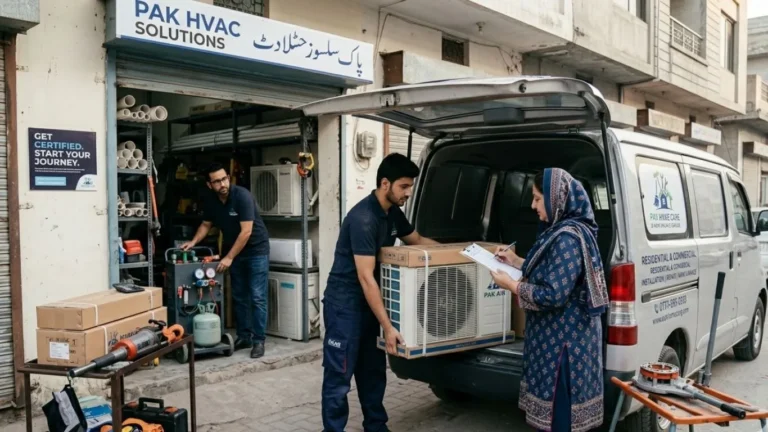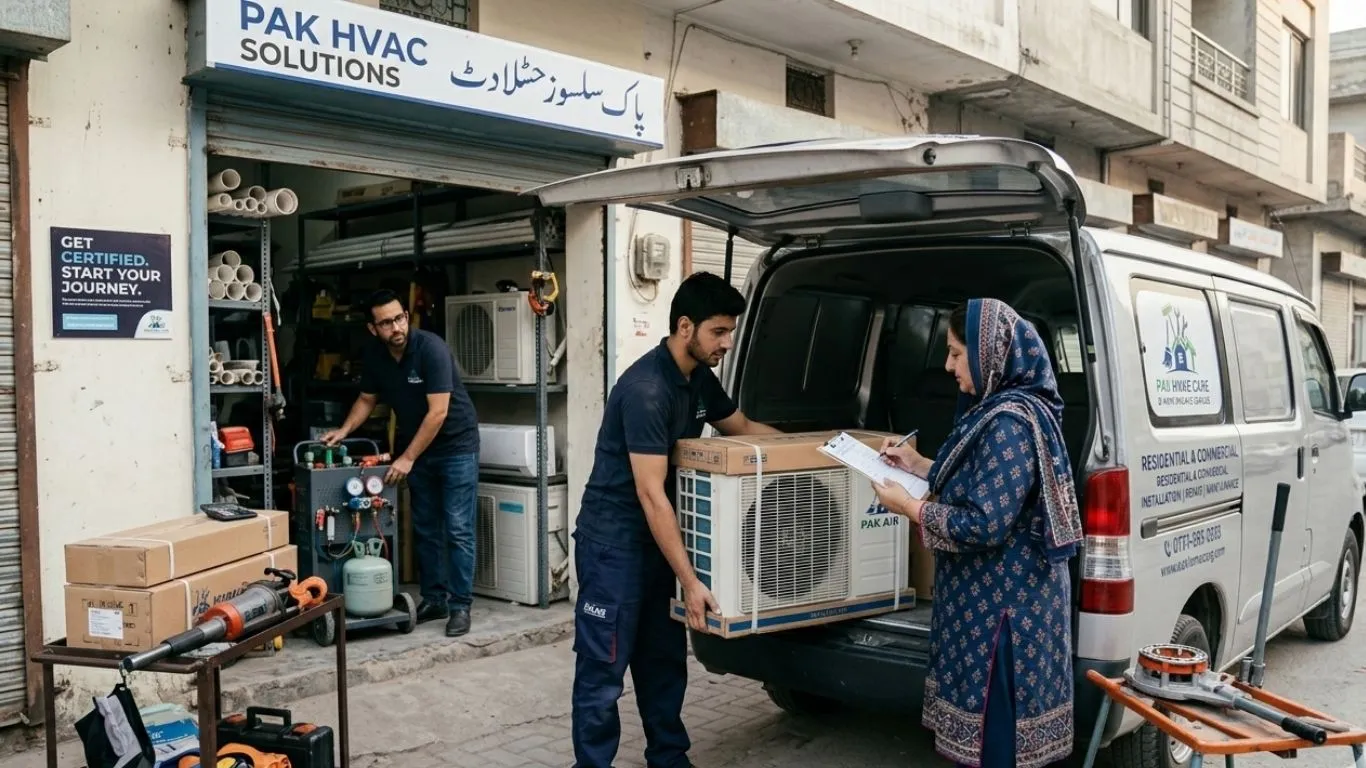
how to start a heating and air conditioning business
Introduction
A technician with twelve years of field experience called me one day and said, “I’m done working for someone else.” He had the skills, the contacts, and the drive — but no roadmap. A year later, his heating and cooling business was pulling in six figures. He did not get lucky. He got prepared.
If you want to know how to start an HVAC business and you want real, actionable answers — not generic advice — this guide is for you.
Is an HVAC Business Worth Starting?
The HVAC industry in the United States is worth over $150 billion and growing. Ageing systems, new construction, and climate-driven demand for year-round comfort keep residential and commercial work consistent.
The short answer to “how profitable is an HVAC business?” is simple: very, if you run it right.
Can you start an HVAC business with no experience? Technically, yes — but it is a steep climb. Most successful HVAC business owners spent years working as technicians first. That hands-on time teaches more than any course can, and most state licensing boards require verified field experience before they issue a contractor license.
Ask yourself these three questions before going further:
- Can I diagnose and repair heating and cooling systems independently?
- Am I comfortable running a job from estimate to completion without supervision?
- Do I have the discipline to manage invoices, schedules, and customer calls alongside the technical work?
If you answered yes to all three, you are ready to move forward.
Licensing is the step that trips up most people. Requirements vary by state, and skipping this can result in fines, voided insurance, or being forced to shut down. Here is what most HVAC contractors need:
EPA Section 608 Certification
This is a federal requirement for anyone who handles refrigerants. You cannot legally purchase or work with refrigerants without it. Most technicians pursue Universal certification, which covers all equipment categories.
State HVAC Contractor License
Nearly every state requires a contractor license to operate an HVAC business. States like Florida and California have strict requirements, including exams, proof of insurance, and verified experience. Always check your specific state licensing board for current rules.
Local Business License and Trade Permits
Your city or county will require a business registration. Most installation jobs also require a permit pulled from the local building department — your contractor license is what qualifies you to do that.
Important: Do not cut corners on licensing. It is what separates a legitimate HVAC contractor from someone taking on illegal work — and it protects you if anything ever goes wrong on a job.
Your business plan is not just a document for the bank. It is your operating blueprint. A solid plan covers four areas:
Target market
Are you going after residential customers, commercial clients, or both? Residential HVAC services are easier to break into. Commercial accounts offer larger contracts but require more equipment and sometimes additional licensing.
Service menu
Starting with repair and maintenance keeps startup costs lower while you build a customer base. Installation jobs carry higher ticket values but require more upfront investment.
Pricing strategy
Research what other local HVAC contractors charge. Flat-rate pricing works well because customers know the cost upfront. Time-and-material pricing suits complex jobs. Most successful businesses use a combination of both.
Financial projections
Estimate your monthly expenses — insurance, fuel, tools, software, phone — and calculate how many jobs you need per month to break even. Most solo operators need 8 to 15 jobs per month in year one.
Most new HVAC business owners choose between a sole proprietorship and an LLC.
- Sole proprietorship — Simple to set up, but your personal assets (savings, car, home) are not protected if a customer sues you.
- LLC (Limited Liability Company) — Separates your personal finances from the business, looks more professional to customers, and simplifies tax planning. Most HVAC owners choose this structure for good reason.
To form an LLC, register with your state’s Secretary of State office (filing fees range from $50 to $500), then get a free EIN from the IRS — it takes about ten minutes online. Talk to a CPA before deciding, since tax implications vary by situation.
Getting your budget wrong is how businesses fail before they begin. Here is a realistic cost breakdown for launching a solo HVAC operation:
| Expense | Low estimate | High estimate |
|---|---|---|
| Tools and equipment | $5,000 | $20,000 |
| Service van or truck | $8,000 | $35,000 |
| EPA certification | $20 | $150 |
| State contractor license | $100 | $500 |
| Business registration (LLC) | $50 | $500 |
| Insurance (first year) | $2,000 | $6,000 |
| Website and marketing | $500 | $3,000 |
| Software and tech | $300 | $1,500 |
| Working capital buffer | $3,000 | $10,000 |
| Total | ~$19,000 | ~$76,000 |
Most solo HVAC startups launch in the $20,000 to $40,000 range. You can reduce costs by buying used equipment, starting with a personal vehicle, and keeping your service menu lean at first.
- Personal savings — The cleanest option. No debt, no obligations.
- SBA Microloans — Up to $50,000 specifically for startups, with reasonable interest rates and flexible terms.
- Equipment financing — Many lenders offer loans for commercial vehicles and HVAC tools so you can preserve cash reserves.
- Business credit cards — Useful for smaller purchases. Pay them off quickly to avoid interest drag.
Avoid borrowing more than you need. Debt pressure in year one affects your decision-making in ways that are easy to underestimate.
Operating without proper insurance puts your business — and your personal finances — at serious risk. You need four types of coverage:
General liability insurance
Covers property damage and bodily injury caused during a job. If you accidentally cause a flood while servicing a system, this is what protects you. Expect $500 to $1,500 per year for a solo operator.
Workers’ compensation
Required in most states the moment you hire your first employee. Covers medical costs and lost wages if a worker is injured on the job.
Commercial auto insurance
Your personal auto policy will not cover accidents while you are working. A commercial policy does.
Tools and equipment coverage
Protects your tools if they are stolen from your van or damaged on a job. Easy to overlook, painful to skip.
Get your systems in order before you take your first job. Here is the core HVAC business startup checklist for operations:
- Open a dedicated business checking account — never mix personal and business finances
- Set up accounting software (QuickBooks or Wave for solo operators)
- Choose HVAC field service software for scheduling and invoicing (Jobber and ServiceTitan are popular)
- Get a dedicated business phone number
- Set up a professional email address on your own domain
Running your first 30 jobs out of a notebook and a personal cell phone is a common mistake. It creates a tax-season nightmare. Set up proper systems from day one.
People hire HVAC companies they trust. Trust starts before they ever call you.
Business name and logo
Keep the name simple and local — something like “Springfield Heating and Cooling” tells customers who you are and where you work. Hire a designer on Fiverr or 99designs for $50 to $300 for a clean logo that goes on your van, shirts, invoices, and website.
Website
You need at least five pages: home, services, about, service area, and contact. Use Squarespace or WordPress. Make sure it loads fast and looks good on mobile — most HVAC searches happen on phones.
Google Business Profile
This is free and one of the most powerful tools available to a local HVAC company. Set it up completely, add photos, and ask every satisfied customer to leave a review. Reviews are what drive new calls.
Van branding
Your vehicle is a moving billboard. A quality vinyl wrap costs $1,500 to $3,000 and pays for itself quickly in calls from people who spotted it in their neighbourhood.
Getting your first customers is the hardest part. Here is what actually works:
Tell everyone you know
Your personal network is your warmest audience. Message every contact in your phone. Post on your personal Facebook and Instagram. People hire people they know and trust.
List on home service platforms
Create profiles on Angi, Thumbtack, and Nextdoor. These platforms connect you with homeowners actively looking for HVAC help. Reviews build quickly if you do good work.
Google Local Services Ads
These appear at the top of Google search results for local HVAC queries. You pay per lead, not per click, and verified businesses get a trust badge. This is one of the fastest ways to generate qualified calls when you are starting.
Partner with real estate agents and builders
They constantly need reliable HVAC contractors for inspections, installations, and quick repairs before closings. One strong relationship here can keep your calendar full for months.
Offer maintenance agreements
A seasonal maintenance contract creates recurring revenue and keeps you top of mind when a customer needs a repair or replacement. Even at $150 to $300 per year, ten contracts add $1,500 to $3,000 with almost no additional marketing cost.
Growing Beyond Year One
Once you have a steady flow of work, growth becomes about systems and people. Your first hire should be a second technician — this doubles your capacity and lets you take on more jobs at once. Hire slowly and vet carefully. One bad hire can undo months of reputation building.
Consider adding commercial HVAC services as you grow. Commercial contracts are larger, longer, and more predictable than residential jobs. Track your numbers monthly: cost per job, average ticket value, and customer acquisition cost. These tell you where to invest and where to cut.
HVAC Business Startup Checklist
- Assess your experience and skills honestly
- Obtain EPA Section 608 Certification
- Research and complete your state contractor license
- Register your business as an LLC
- Get your EIN from the IRS (free, 10 minutes)
- Open a dedicated business bank account
- Secure general liability, commercial auto, and tools insurance
- Calculate your startup budget and secure funding if needed
- Purchase tools, equipment, and a service vehicle
- Build your website and set up your Google Business Profile
- Install field service and accounting software
- Start marketing through your network, home service platforms, and Google Ads.
Frequently Asked Questions
How much does it cost to start an HVAC business?
Final Thoughts
Starting an HVAC business is one of the most viable paths to self-employment in the trades. The demand is consistent, the margins are solid, and the barrier to entry — while real — is manageable with the right preparation.
Get licensed properly. Build a real plan before you spend money. Protect yourself with insurance. Set up clean systems from day one. Then focus relentlessly on getting those first customers through the door.
The technician who called me did not have everything figured out. He had determination and a willingness to learn the business side as seriously as he had learned the technical side. That combination is what made the difference. The same opportunity is in front of you right now.
links: – How to Buy a Home Services Business (2025 Complete Guide)
About the Author